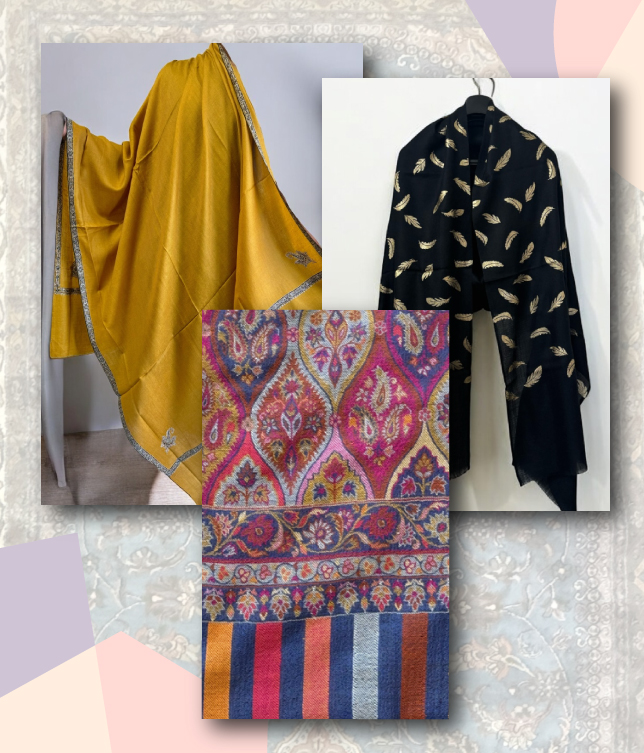

About Aabtoosh
The Soul of Aabtoosh
In 1989, a young boy named Mr. Shahzad Shawl set out from the tranquil vadiyan (valleys) of Kashmir to the bustling city of Mumbai. With a heart full of dreams and a deep love for his homeland, he envisioned sharing the beauty, warmth, and elegance of Kashmir’s heritage with the world. This dream gave life to Aabtoosh, a brand built on the essence of kashur hunar (Kashmiri craftsmanship), offering high-end, handcrafted products that embody the spirit of Kashmir.
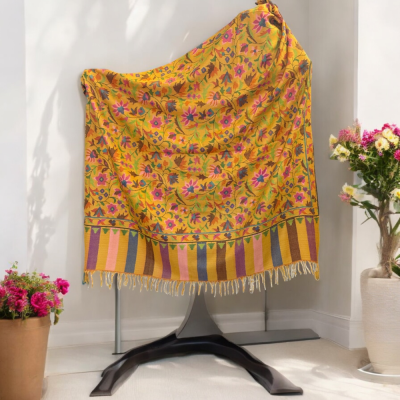
Mr. Shahzad’s mission was not only to create beautiful products but to spread meharbani (kindness) and mohabbat (love) through his work. Each shawl, each piece of art, carries a story—woven with care by artisans who have perfected their craft over generations. Today, his legacy lives on through his son, Mr. Sahil Shawl, who is pushing the boundaries of what Aabtoosh can be, transforming it into a modern brand without losing its rich heritage.
Over the years, Aabtoosh has earned the trust of some of the most prestigious names in the industry, including Birla, Reliance, Cipla, Microlabs, and many more. These valued clients have recognized the quality, authenticity, and dedication that go into every product we create.
At Aabtoosh, we believe in more than just selling products—we believe in sharing a piece of Kashmir’s soul with every customer. Whether it’s a finely woven shawl or an intricately designed accessory, each creation from Aabtoosh is made to be cherished and passed down as a part of your own story.
Join us on this journey and experience the dilnasheen (heartwarming) embrace of Kashmir, just as Mr. Shahzad dreamed all those years ago.
With love,
The Aabtoosh Family
Our Mission
At Aabtoosh, our mission is to weave dreams into reality by delivering exquisite Kashmiri craftsmanship that transcends borders and captivates hearts. We are committed to curating a seamless and immersive experience for our cherished clientele, ensuring that every interaction with Aabtoosh is imbued with warmth, authenticity, and unparalleled service. With a relentless focus on innovation and customer satisfaction, we strive to redefine the essence of luxury, making every purchase a journey of joy, discovery, and lasting delight. Our vision is to become not just a brand, but a trusted companion in the pursuit of elegance and refinement, enriching lives one exquisite creation at a time.
2grms of Saffron, Almond and Cashew and a Stole. (Minimum order quantity 10)
A festive and flavorful treat that delivers warmth and elegance.
5grms of Saffron, Cashew, Almond and a Pashmina Stole - 4,999 (minimum order quantity 5)
A luxurious selection that captures the essence of Kashmir’s finest products.
10grms of Saffron, Almond, Cashew, Pashmina Shawl - 14,999
Combining high-end comfort with gourmet essentials, this box is ideal for indulgence.
Highend Pashmina Shawl, 15grms of Saffron, Premium Almond - 49,999
For the most discerning recipient, this box offers unmatched luxury and quality.
Multi-Location
Lorem ipsum dolor sit amet, consectetuer adipiscing elit, sed diam nonummy nibh euismod tincidunt ut laoreet dolore magna aliquam erat volutpat. Ut wisi enim ad minim veniam, quis nostrud exerci tation ullamcorper suscipit lobortis nisl ut aliquip ex ea commodo consequat. Duis autem vel eum iriure dolor in hendrerit in vulputate velit esse molestie consequat, vel illum dolore eu feugiat nulla facilisis at vero eros et accumsan et iusto odio dignissim qui blandit praesent luptatum zzril delenit augue duis dolore te feugait nulla facilisi. Lorem ipsum dolor sit amet, cons ectetuer adipiscing elit, sed diam nonummy nibh euismod tincidunt ut laoreet dolore magna aliquam erat volutpat. Ut wisi enim ad minim veniam, quis nostrud exerci tation ullamcorper suscipit lobortis nisl ut aliquip ex ea commodo consequat.
Some Content to related to our products
At Aabtoosh, we are driven by a profound mission to illuminate the world with the timeless beauty and craftsmanship of Kashmir. Our commitment lies in preserving the rich heritage of kashur hunar (Kashmiri craftsmanship) while infusing every creation with the warmth of mohabbat (love) and meharban (kindness)
The Whole Process of Kashmir Pashmina
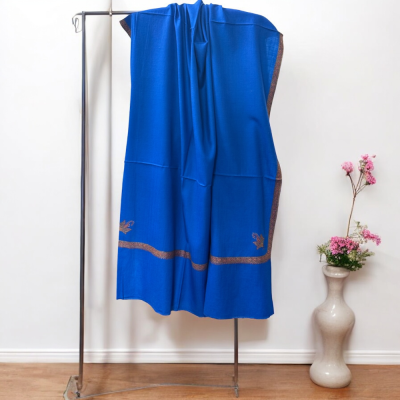
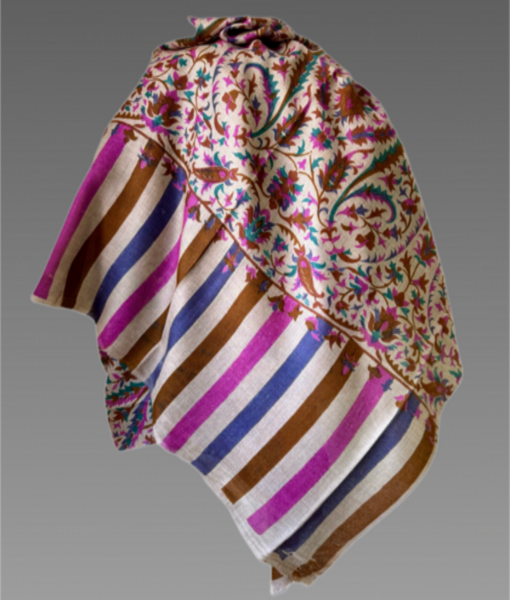
– Pashmina is a very soft and luxurious type of wool made from the undercoat of a special goat called the Changra goat.
– It comes from the high mountains of Ladakh (part of Kashmir) and is known for its lightweight, warmth, and softness.
– It’s so fine that it’s often called a “ring shawl” because a whole shawl can easily pass through a small ring!
– The wool comes from Changra goats, raised by nomads in the cold mountains at 14,000 feet.
– The wool is collected in the spring when the goats naturally shed their coats. It’s carefully combed off the goats without hurting them.
– The best wool has very fine fibers (12.5-14 microns thick) and is white, beige, or dark fawn in color.
Once the wool is collected, it goes through several steps to become beautiful fabric:
– Sorting: The wool is sorted based on its quality, length, and color.
– Washing: The wool is cleaned with water to remove dirt.
– Carding: This process separates and straightens the wool fibers using wooden combs, or sometimes machines.
– Spinning: Women spin the wool by hand using a wooden spinning wheel. This turns the wool into yarn, which is then ready for weaving.
Once the yarn is ready, it goes through a detailed weaving process:
– Warping: The yarn is organized to form the structure of the fabric. Special care is taken to prevent tangling.
– Loom Setup: The yarn is set up on a wooden loom (a traditional weaving tool) made of deodar wood.
– Weaving: Skilled weavers, usually men, weave the yarn by hand. This is a delicate process, and different patterns can be made, such as plain, diamond, twill, or herringbone.
After the fabric is woven, it’s given a final finish:
– Washing: The fabric is washed with natural soap (from soap nuts) and then scrubbed to make it smooth.
– Finishing: The fabric is cleaned up, removing any extra threads or flaws.
– Ironing: The fabric is then stretched, ironed with steam, and polished to give it a soft, smooth texture.
– It’s incredibly soft, warm, and lightweight.
– Each piece is handmade, making it unique.
– The process involves a lot of traditional craftsmanship, passed down for generations in Kashmir.
The Process of Making Kashmiri Carpets
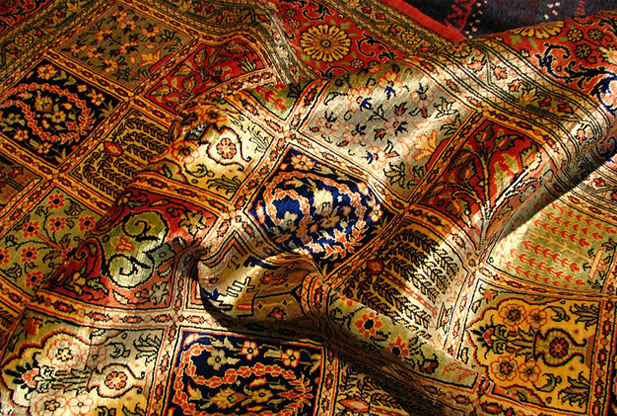
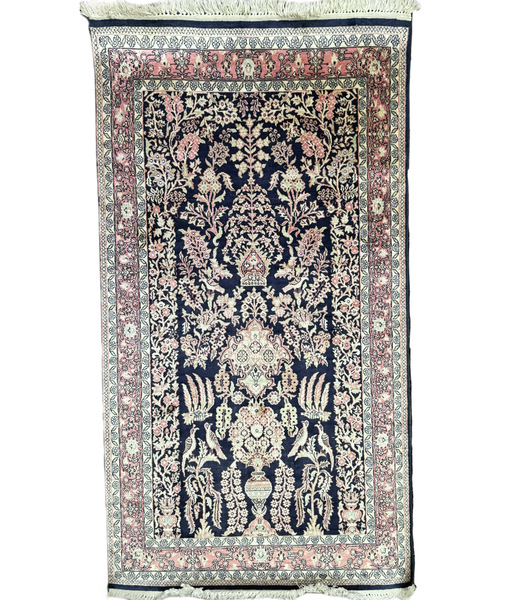
Kashmiri carpets, known for their intricate designs and craftsmanship, are a symbol of heritage and artistry in Kashmir. These carpets are handwoven using traditional techniques that have been passed down through generations. The entire process is labor-intensive and time-consuming, requiring skill and patience to create pieces of art that add elegance and warmth to homes across the world.
The primary materials used in Kashmiri carpets are wool, silk, cotton, and natural dyes:
– Wool: Known for its durability and softness, wool is a common choice for Kashmiri carpets.
– Silk: Silk carpets are luxurious and finely woven, featuring elaborate designs.
– Cotton: Used mainly as a base, providing stability to the carpet.
– Natural Dyes: Derived from plants, minerals, and other natural sources, these dyes create vibrant and lasting colors.
Designing is a critical stage, where skilled artisans sketch intricate patterns that reflect Kashmiri heritage. These designs often include floral patterns, paisleys, and motifs inspired by nature. The designs are first created on graph paper, which serves as a blueprint during the weaving process.
Warping is the process of setting up the threads vertically on the loom. Artisans then use the Persian knot (or Senneh knot), which is known for its precision and durability. Each knot is tied by hand, and the number of knots per square inch is a testament to the quality of the carpet.
Weaving is the most labor-intensive stage, where artisans interlace the threads horizontally and tie individual knots to create complex designs. This process can take months or even years, depending on the size and intricacy of the design.
Natural dyes, obtained from sources like indigo, madder, and pomegranate rind, are carefully prepared and applied to the yarns. Dyeing requires expertise to achieve the desired color depth and consistency, which gives Kashmiri carpets their unique and vibrant look.
After weaving, the carpets undergo a series of washes to soften the fibers and enhance the colors. Artisans then trim the carpet to an even pile height, ensuring a smooth and plush surface. Finishing touches, such as fringing and edge binding, complete the carpet, making it ready for use.
Each carpet is meticulously inspected to ensure it meets quality standards. The density of knots, color vibrancy, design precision, and finishing quality determine the grade and value of the carpet. Higher-grade carpets are finely woven and highly detailed, often taking longer to complete.
The Process of Growing and Harvesting Kashmiri Saffron
Kashmiri saffron, known for its rich color, intense aroma, and distinct flavor, is considered one of the most valuable spices globally. The unique climate and soil conditions of Kashmir make it the ideal place for cultivating this precious crop. The cultivation and harvesting process of saffron is labor-intensive and requires great care to ensure its high quality.
The saffron cultivation process begins with planting the saffron corms (bulbs) in well-drained, fertile soil. The ideal planting time is during the summer months, and the fields must be prepared carefully to ensure they are free of weeds and well-aerated. Saffron requires a particular altitude, temperature, and soil composition, which are naturally available in the Kashmir Valley.
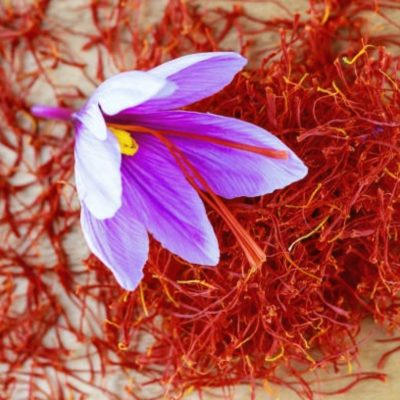
Saffron plants begin to grow and flower in the autumn. Small purple flowers with three vivid red-orange stigmas emerge, each containing the saffron threads. These flowers are delicate and require protection from frost and extreme weather conditions.
Harvesting is a meticulous process that typically occurs in October. The flowers are handpicked early in the morning to preserve the quality of the stigmas. Each flower is carefully plucked, and the saffron threads are separated from the flower. Since each flower produces only three threads, large quantities of flowers are needed to obtain a small amount of saffron.
After harvesting, the saffron threads are dried to enhance their flavor and shelf life. Traditionally, the threads are dried using charcoal or other low-temperature methods to retain their aroma and color. Once dried, the saffron is packaged in airtight containers to protect it from light and moisture, which can degrade its quality.
Kashmiri saffron undergoes strict quality control to ensure its purity, aroma, and potency. The grading of saffron is based on color, aroma, and overall appearance, with higher grades having a deeper red color and stronger aroma. Kashmiri saffron is often considered superior to other varieties due to its high crocin (color), picrocrocin (taste), and safranal (aroma) content.
How to Identify an Authentic Pashmina Shawl - A Guide by Aabtoosh
At Aabtoosh, we are dedicated to preserving the heritage and authenticity of genuine Kashmiri pashmina shawls. Each shawl we offer represents the timeless art of Kashmiri craftsmanship, meticulously woven from the luxurious undercoat of the Changthangi goat. As pashmina shawls are highly valued, identifying a true pashmina amidst imitations can be challenging. Here’s how Aabtoosh helps you recognize an authentic pashmina shawl.
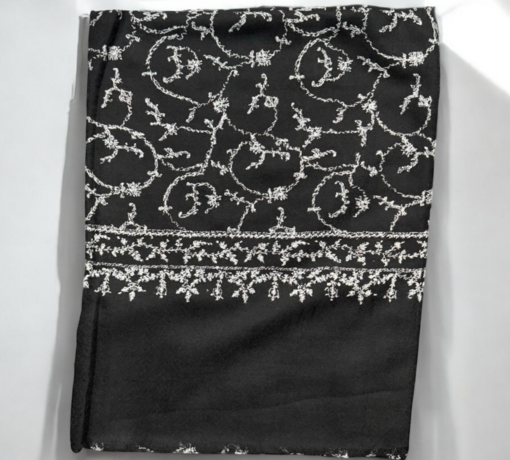
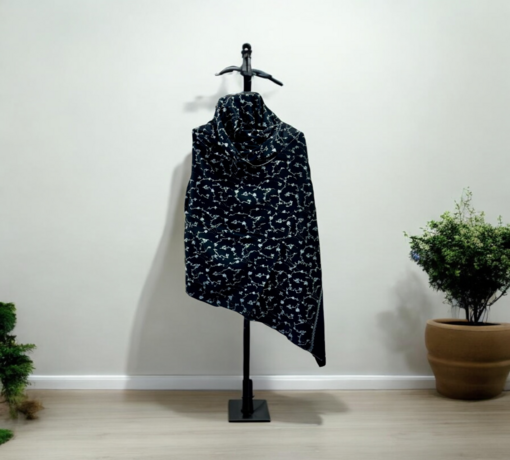
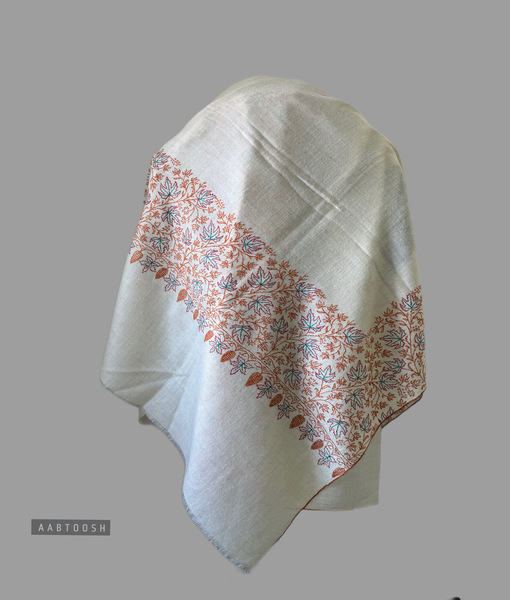
An authentic pashmina shawl has an unparalleled softness and warmth. The fibers are incredibly delicate, giving the shawl a luxurious, lightweight feel. When you touch a real pashmina, it should feel exceptionally soft, a hallmark of genuine Aabtoosh pashmina.
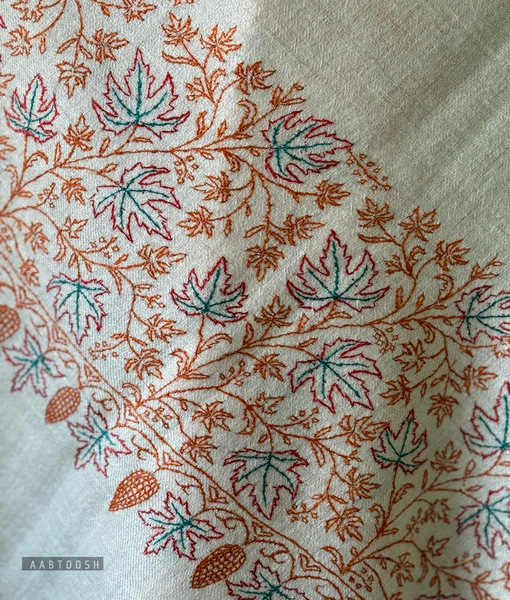
At Aabtoosh, each pashmina shawl is handwoven by skilled artisans. The weaving pattern is intricate and reflects our traditional craftsmanship. Genuine pashmina has a subtle, natural sheen, unlike the shine of synthetic fibers. Our weavers ensure each piece meets the highest standards of quality.
A traditional method to test authenticity is the burn test, though we suggest this only as a last resort. Take a small thread from a hidden section of the shawl. Real pashmina will burn with a smell of burnt hair and turn to ash, while synthetic fibers will melt or emit a chemical odor. At Aabtoosh, we provide GI-certified shawls, making this test unnecessary.
Authentic Aabtoosh pashmina shawls are usually single-ply or two-ply, giving them a soft, light texture. Imitations often use thicker threads to mimic weight and warmth but lack the softness and fineness of true pashmina.
Despite its lightweight, genuine pashmina is incredibly warm. At Aabtoosh, our pashmina shawls are tested for warmth – a true indicator of quality. Wrap yourself in one of our shawls, and you’ll experience warmth almost instantly, which is unique to real pashmina.
Every authentic Aabtoosh pashmina shawl carries a Geographical Indication (GI) certification label, ensuring its authenticity. Our pashmina shawls are handwoven on traditional looms, a tradition we proudly uphold. This certification guarantees you’re investing in a genuine Kashmiri product.
Authentic pashmina is rare and valuable, which is reflected in the price. Aabtoosh pashmina shawls are priced to reflect their quality, craftsmanship, and authenticity. Beware of overly low prices, as they often indicate imitation products.
At Aabtoosh, we have a reputation built on trust, quality, and heritage. By purchasing from a reputed brand, you can be assured of the authenticity and quality of your pashmina shawl. We are proud to be a trusted name for discerning customers seeking genuine Kashmiri pashmina.
With these guidelines, Aabtoosh aims to help you understand the value and characteristics of genuine pashmina. Our shawls carry the legacy of Kashmiri craftsmanship and are crafted with the utmost dedication to quality and authenticity. Experience the elegance and warmth of true pashmina with Aabtoosh.
Guidelines for Authenticating Saffron (Reference: Aabtoosh)
Saffron is a precious spice known for its unique flavor and color, but due to its high cost, it is often adulterated or substituted with fake products. The following guidelines, inspired by Aabtoosh, outline several methods to determine the authenticity of saffron.
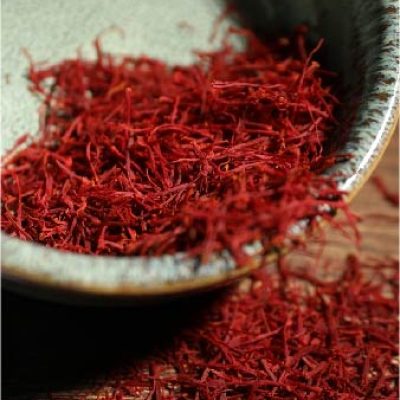
Authentic saffron strands are trumpet-shaped with a wider top and a tapering end. The color should be deep red with slight orange tips, not entirely yellow or brown. Fake saffron may lack this characteristic appearance.
Real saffron has a strong, slightly metallic aroma. The smell is unique and somewhat earthy, distinguishing it from other spices. If you taste it, authentic saffron will be slightly bitter, not sweet. Sweet-tasting saffron may be a sign of artificial flavoring.
Place a few strands in warm water. Authentic saffron will gradually release its color over 10-15 minutes, coloring the water a golden yellow. If the color releases quickly or turns red or orange immediately, it could be an indication of added artificial colors.
Authentic saffron is not fully soluble in water. It will release color, but the strands will remain intact. If the strands dissolve or break down, it’s likely fake.
Saffron is expensive due to the labor-intensive harvesting process. Extremely low-priced saffron may be of inferior quality or even fake. Always be cautious of offers that seem too good to be true.